
The Ford F-Series has been a symbol of American pickups for decades, and 2025 is no different. With 207,732 units sold and a U.S. News rating of 9.7/10, the F-Series continues to hold the top spot in U.S. vehicle sales charts. But what exactly allows the F-Series to maintain its dominance year after year, even in a market increasingly interested in SUVs, crossovers, and electrification? The answer lies in a combination of versatility, performance, innovation, brand reputation, and cultural relevance.
1. A Lineup That Covers Every Need
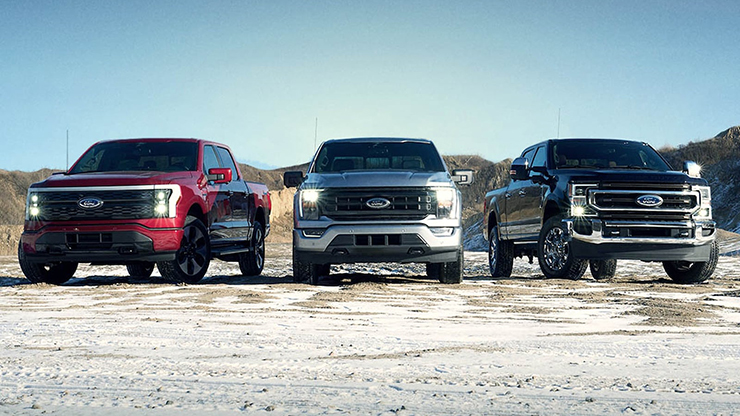
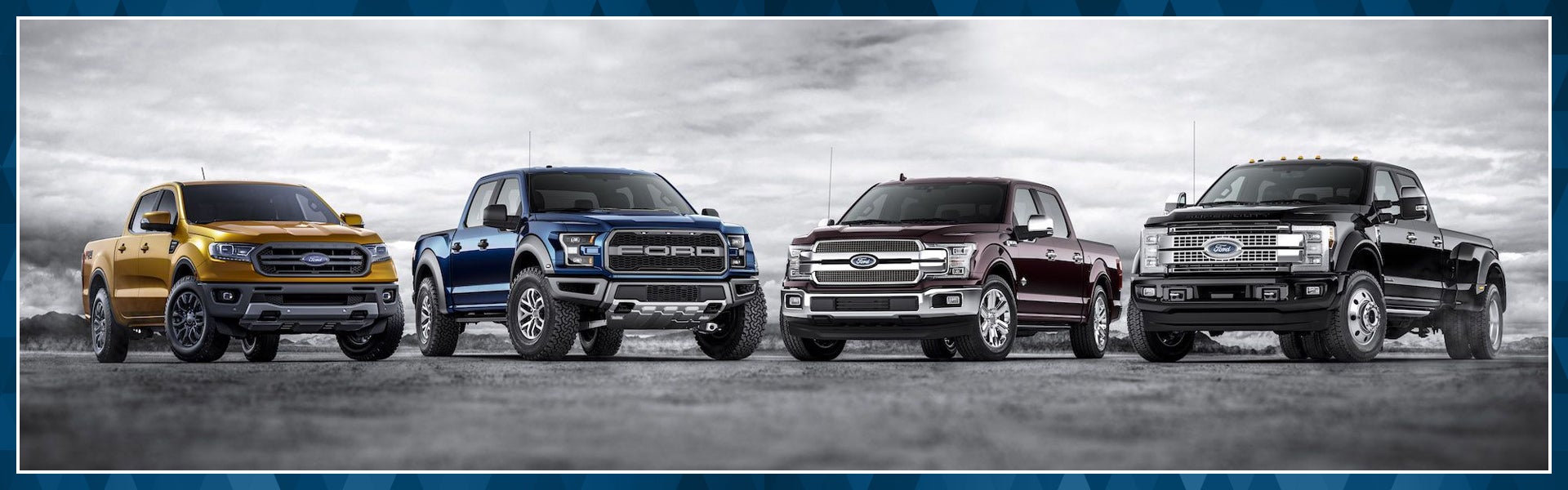
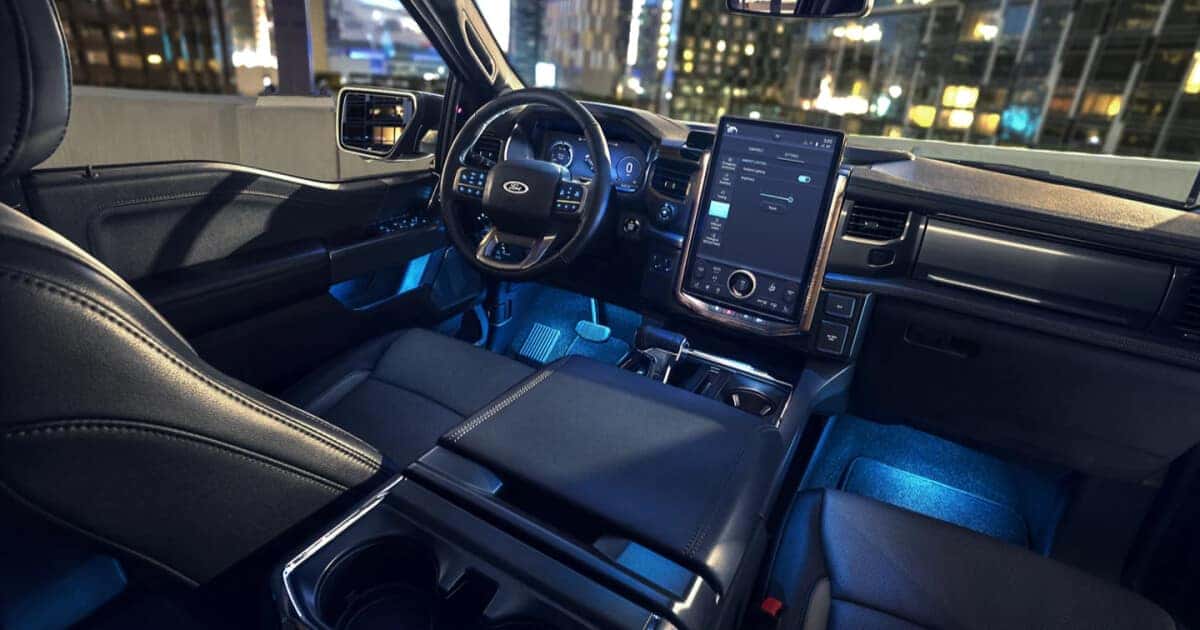
One of the strongest advantages of the F-Series is its extensive lineup, which caters to a wide spectrum of buyers. The F-150 is the everyday workhorse—strong enough for construction sites but comfortable enough for suburban families. Trim levels range from practical base models with vinyl interiors to luxury-laden Limited trims with leather seating, premium audio, and large touchscreen displays.
On the other hand, the F-250 Super Duty targets a more specialized audience: buyers who need serious towing and payload capacity. Properly equipped, the F-250 can haul up to 22,000 pounds, making it a preferred choice for contractors, farmers, and anyone requiring heavy-duty capability. By offering trucks that address both practical and extreme use cases, Ford ensures that there is essentially an F-Series truck for almost every buyer in the U.S.
This breadth allows the F-Series to appeal to multiple market segments simultaneously, rather than relying on a single niche. It’s a strategy that competitors like Chevrolet Silverado or Ram 1500/2500 attempt to emulate but haven’t yet surpassed in terms of overall sales dominance.
2. Innovation Without Sacrificing Core Functionality
While durability has always been a hallmark of the F-Series, innovation keeps it ahead of competitors. Features like BlueCruise hands-free driving, massive infotainment touchscreens, advanced driver-assist technologies, and premium audio systems demonstrate that Ford is integrating modern conveniences without compromising the truck’s rugged roots.
The introduction of the F-150 Lightning, Ford’s mainstream electric truck, also highlights the brand’s commitment to future-proofing the F-Series. While the Lightning contributes modestly to total sales, it positions Ford as a leader in the growing EV pickup segment—a segment where rivals are still finding their footing.
Even traditional work-truck buyers can benefit from these innovations. For example, BlueCruise allows for a safer and more relaxed drive on long highway commutes, while advanced infotainment and connectivity options make the F-Series feel like a contemporary vehicle, not just a tool.
3. Balanced Performance and Comfort
A critical reason the F-Series remains a favorite is its ability to balance extreme capability with daily comfort. Buyers no longer need to choose between a truck that can haul heavy loads and one that is comfortable enough for a daily commute.
- The F-150 delivers robust towing and payload performance for most tasks while remaining manageable on suburban streets.
- Interior seats, while more durable than plush, provide surprisingly good long-haul support, making road trips feasible without discomfort.
- Trim options allow customization, letting buyers decide if they prefer bare-bones utility or a tech-laden, luxurious experience.
This balance appeals to a wide audience, from small business owners who rely on their truck for work to families who need a reliable vehicle for daily life.
4. Brand Reputation and Reliability
No discussion of F-Series dominance would be complete without acknowledging Ford’s long-standing reputation for quality and durability. Pickup buyers in the U.S. often see trucks as long-term investments. They need vehicles that can withstand years of heavy use while retaining resale value.
According to Managing Editor Alex Kwanten, factors like quality, innovation, and variety are key to the F-Series’ continued success. Buyers trust the F-Series to perform reliably in a wide range of conditions—from extreme cold in the Midwest to heat and dust in the Southwest. This reliability breeds repeat purchases and fosters loyalty that competitors struggle to match.
5. Cultural Significance and Market Positioning
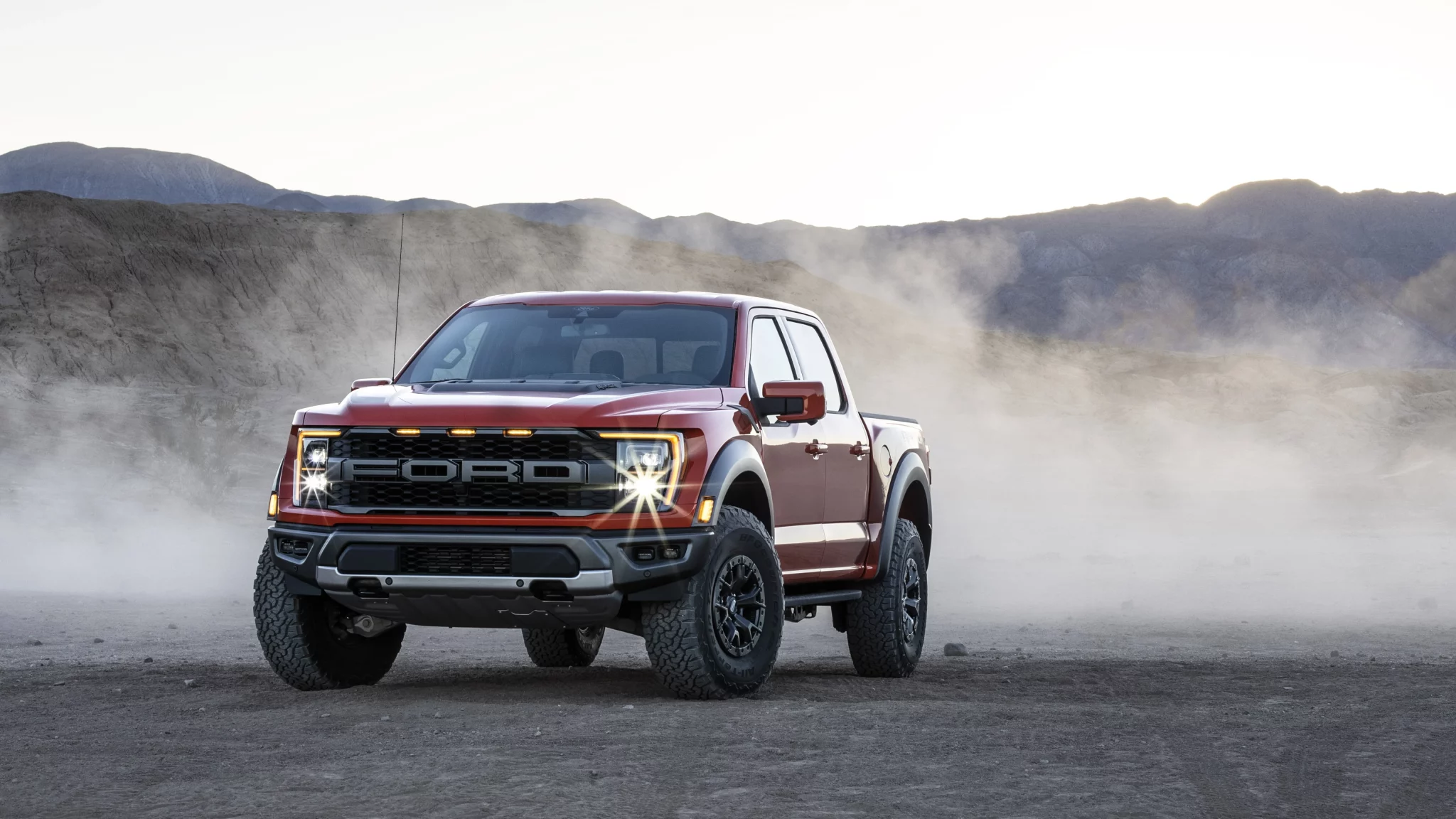
The F-Series benefits not only from its capabilities but also from its cultural resonance in the U.S. Pickup trucks have been deeply ingrained in American life for decades. They are associated with hard work, independence, and utility—values that resonate across multiple demographics.
Economically, the F-Series also offers a wide pricing spectrum, from base trims around $37,450 to fully loaded luxury models. This range makes the F-Series accessible to both first-time truck buyers and high-end clientele seeking premium features, allowing Ford to capture a broad spectrum of consumers in a way few competitors can.
6. Strategic Focus on Electrification and Sustainability
As the automotive market moves toward electrification, Ford is positioning the F-Series as a future-ready brand. The F-150 Lightning not only introduces an electric alternative but also offers modern capabilities like impressive towing, fast charging, and advanced tech features. This forward-looking approach ensures that the F-Series remains relevant even as consumer preferences shift toward EVs.
By integrating electrification while maintaining traditional strengths, Ford mitigates the risk of losing buyers who value both legacy capabilities and modern technology.
7. Comparison to Competitors
While trucks like the Chevrolet Silverado, GMC Sierra, and Ram 1500/2500 are strong performers, none have matched the F-Series in sales, brand recognition, and versatility simultaneously.
- Silverado and Sierra often focus on a combination of price and capability but lack the same breadth of trims and tech integration.
- Ram 1500 offers comfort and style but does not match the towing or heavy-duty performance of F-250/350 Super Duty models.
- Tesla’s Cybertruck is still in limited production, and its long-term reliability is untested in real-world conditions.
Ford’s ability to blend performance, luxury options, EV technology, and heavy-duty capability sets it apart as the default choice for many U.S. buyers.
8. A Personal Reflection: From My Father’s F to the Modern F-Series
Last weekend, I had the chance to ride in a brand-new Ford F-Series with a friend. It wasn’t a long drive—just a short loop around town—but it was enough to trigger a flood of memories. I couldn’t help but think back to the truck my father used to own years ago: a rugged, beaten-in F-150 from the early 2000s, the one that had carried us through countless family road trips, backyard projects, and weekend camping trips. That old truck wasn’t flashy, nor did it have modern tech like touchscreen displays or driver-assist features. Its charm was simple: reliability, durability, and the feeling that it could tackle any task without complaint.
Sitting in my friend’s new F-Series, the contrast was striking. The interior was plush, with leather-wrapped seats, a massive infotainment screen, and the latest BlueCruise hands-free driving technology. The engine purred smoothly, effortlessly delivering power that my father’s old truck could only dream of. Even the suspension felt refined, soaking up bumps while still making me feel connected to the road. Yet, despite all the technological advancements, the new F-Series carried the same sense of confidence and capability that my father’s old truck once did. It felt like the same vehicle at its core—a dependable companion built for both work and life—but now reimagined for the modern driver.
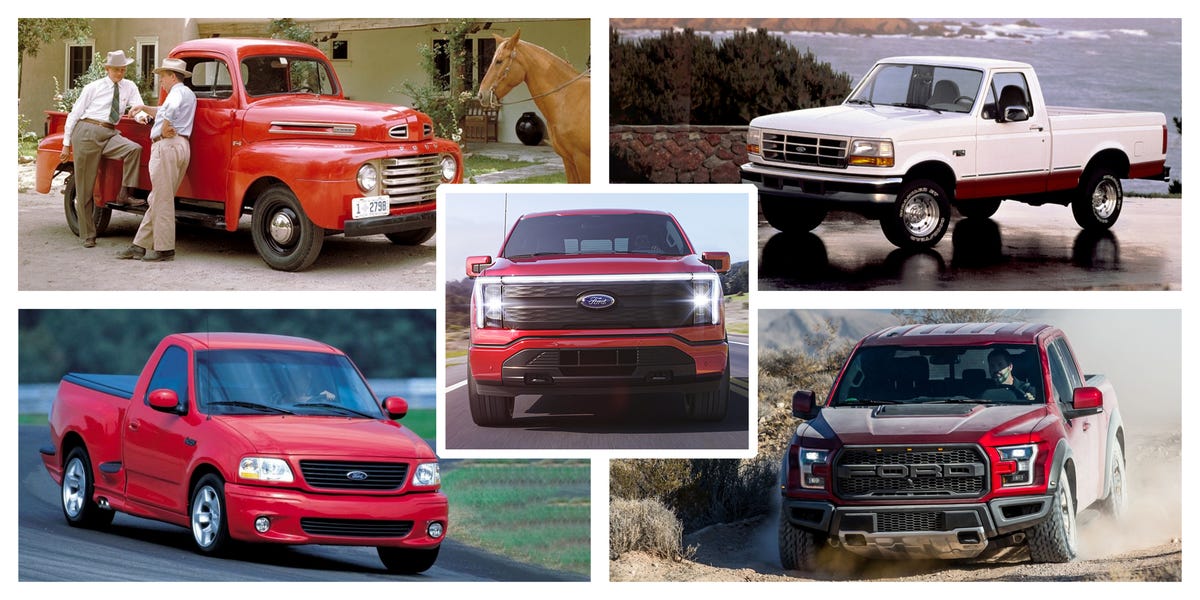
Reflecting on this short experience, I started to notice the parallels between the two trucks. My father’s F-150 taught me about practicality and resilience. It didn’t matter if we were hauling firewood or heading to a weekend soccer game—the truck could handle it all. The modern F-Series, on the other hand, expanded that foundation with comfort, technology, and adaptability, showing how Ford had listened to the evolving needs of its customers over decades. It struck me that the F-Series isn’t loved simply for its horsepower, towing capacity, or sales numbers. People cherish it because it has always represented reliability, versatility, and a sense of freedom—values that transcend model years, trims, or price tags.
In comparing my father’s old truck to the one I rode in recently, I realized something important: the F-Series’ appeal isn’t just in its features or innovations. It’s in the emotional connection it fosters, the memories it enables, and the trust it inspires. A new owner may appreciate the tech and luxury, but the essence of the truck—the reason it has remained America’s best-selling vehicle for decades—comes from the experience of using it every day, relying on it for work and life, and building memories along the way. That continuity between generations, bridging past and present, is what gives the F-Series its enduring charm.

Even in a short test drive, the modern F-Series reminded me of that old family truck: strong, reliable, and somehow comforting. And in that moment, I understood why people fall in love with the F-Series and why it continues to dominate U.S. sales. It’s not just a vehicle; it’s a trusted partner, a builder of memories, and a symbol of capability and resilience—a combination that few trucks, past or present, can replicate.
Conclusion
The Ford F-Series continues to dominate U.S. vehicle sales in 2025 because it addresses the full spectrum of buyer needs. Its combination of versatility, innovation, balanced performance, brand reputation, cultural significance, and forward-looking electrification makes it the most compelling option for American truck buyers.
Whether it’s a contractor hauling heavy loads, a family commuting in comfort, or an EV enthusiast testing the F-150 Lightning, the F-Series offers something for everyone. This careful balance between tradition and innovation ensures that the F-Series will likely remain America’s top-selling vehicle for years to come.







Leave a Reply